Watching Simon Sinek’s talk has reaffirmed my previously held opinion that social media addiction is a real thing, especially as he compared it to drug and alcohol addictions. I hadn’t really thought too much about the science behind why we are obsessed with our phones, however having it explained to me has made it clear why people are always checking and posting social media and why it feels so good when we do. I agree with Sinek that it mainly affected Millennials and my generation, but I also disagree with the idea of defining generations as a concept. One of his main points in his talk was that as a generation we are becoming more isolated, depressed and spending less quality time with people in real life, replacing normal social interaction with online substitutes. And I don’t think defining different generations helps this problem. When we separate our children and parents and grandparents into different categories, it just puts emphasis on our differences and makes us alienated from each other. The generalisation of groups of people dependant on age allows for blame to be pushed onto another group of people: how many articles have been written about something Millennial have “ruined’ or businesses they’ve “killed”? If we didn’t have separate generations, this blame would have to fall elsewhere – the real reasons people aren’t buying houses, or shopping at certain stores.
Thinking about the future of my generation, I am concerned about the hurdles we face but I am also optimistic we will overcome them. I’ve noticed that my generation is actually sitting up and listening to the world problems, taking them on and finding solutions. I’m seeing social media platforms being used for good, spreading important messages about social equality and the environment. More young people are getting involved with politics. The progress is slow, but it is progress all the same.
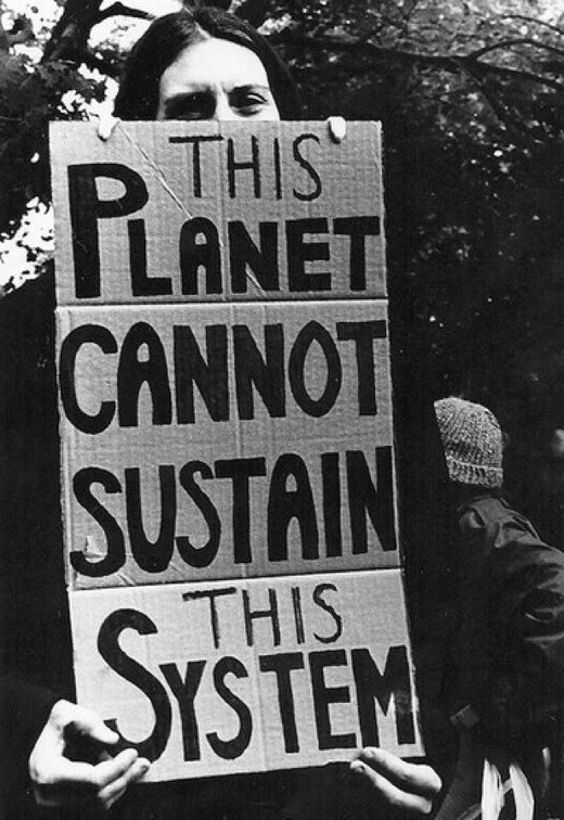
Just today I read an article on the BBC website about students in Australian schools holding a mass protest, asking for “greater action on climate change”, after the UN announcing this week that Australia and many nations weren’t achieving their emission commitments, and that Australia had made “no improvement” in it’s climate change policy since last year.

“I think social media is a big part of it. You’re constantly seeing these issues happening around the world and seeing other students stick up for things you believe in,” – Ruby Walker, 16, organised a protest in her town of Inverell, north of Sydney, after seeing others’ plans on Facebook.
This is one way the social media is aiding change and encouraging young people to take action. With the constant stream of negative news reports it is difficult to ignore important world problems, especially when they are right in front of you most hours of the day. It’s difficult to scroll through social media without seeing another current issue or act of hate. And while this exposure is encouraging some young people take action, it is harming others.
Seeing young people step up and demand change is both uplifting and saddening to me. I want to know why it is up to us, the youngest generation, to protest and call for action on problems that affect the whole world. This only adds to my idea that generations shouldn’t be labeled, as we should be working together with people of all ages to improve our society, for the future of the planet and our children.
 Lauren Rees